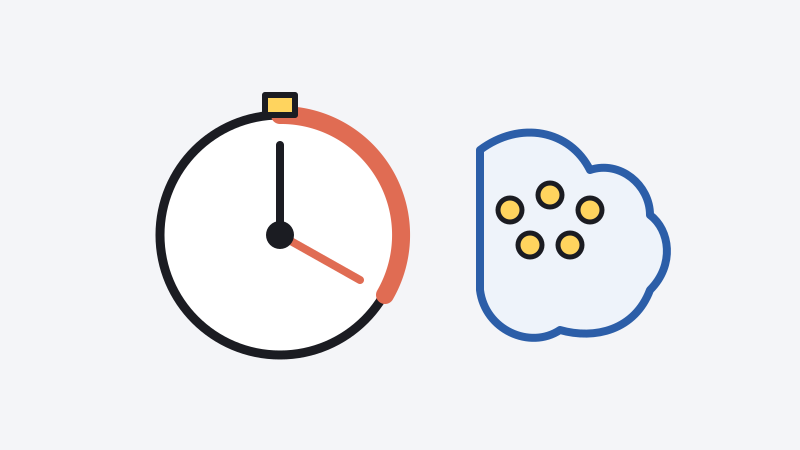
Cognitive Load Theory: Why Language Lessons Must Last Exactly 25 Minutes
✍️ Andrei Gusenkov, Founder of Lexy📅 September 20, 2026⏱️ 5 min read🔬 Academic sources: Sweller (1988), Miller (1956), Paas et al. (2003)
Academic References
Sweller, J. (1988). Cognitive load during problem solving: Effects on learning. Cognitive Science, 12(2), 257–285.
Miller, G. A. (1956). The magical number seven, plus or minus two. Psychological Review, 63(2), 81–97.
Paas, F., et al. (2003). Cognitive load theory and instructional design. Educational Psychologist, 38(1), 1–4.
Traditional language classes run for 60 or 90 minutes. Yet almost every adult experiences profound mental exhaustion after 35 minutes. Cognitive science explains this through the biological boundaries of human working memory.
The Limits of Working Memory
John Sweller formulated Cognitive Load Theory, establishing that working memory can hold only 4 to 7 discrete chunks of information concurrently.
Speaking a non-native language heavily taxes the prefrontal cortex. The brain must simultaneously select vocabulary, compute syntax, adjust articulation, and decode auditory responses. Glucose and neurotransmitter depletion peak around the 20 to 25-minute mark.
The Cost of Cognitive Overload
Past 30 minutes of high-intensity output, cognitive fatigue sets in. Continuing creates a hollow illusion of learning: students nod passively, but synaptic consolidation ceases entirely.
Chronic overload trains the brain to associate language study with exhaustion, sparking unconscious avoidance and eventual abandonment.
The Lexy Formula: The 25-Minute Rule
Lexy caps conversational speaking sessions at exactly 25 minutes to match human cognitive capacity.
Peak engagement: learners maintain maximal alertness without mental fatigue.
Modal alternation: high-demand speaking is followed by calm orthographic and listening exercises.
Frictionless habit: 25 minutes fit seamlessly into demanding executive schedules without burnout.
Key Takeaways: 25-Minute Limit
Prefrontal working memory reaches exhaustion after 25 minutes of active non-native speech production.