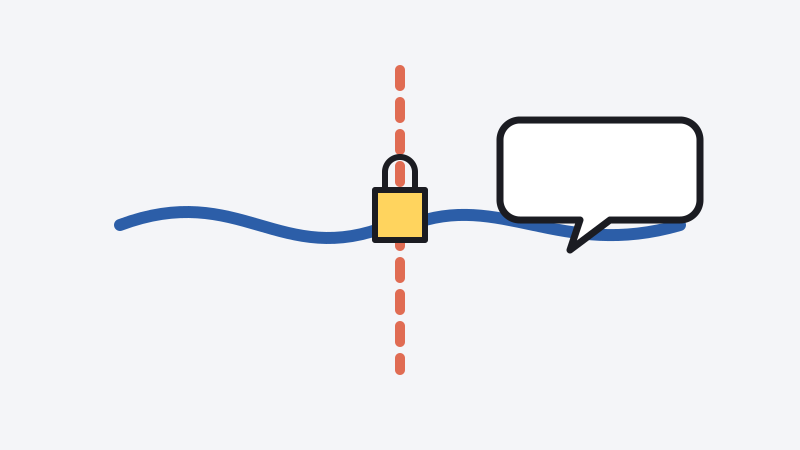
Many adults spend years learning grammar rules yet freeze during real-life conversations. Linguist Stephen Krashen proved that this paralysis is caused by a neurobiological defense mechanism known as the Affective Filter.
Understanding the Affective Filter
The Affective Filter is an emotional screen that prevents language input from reaching long-term memory. When a learner experiences anxiety or anticipates corrections, the amygdala triggers a stress response.
Under acute stress, cognitive resources shift toward defense rather than communication. Fluency drops to zero. As long as the filter remains high, language acquisition grinds to a halt regardless of study hours.
Why Immediate Correction Harms Beginners
Professor John Truscott reviewed decades of experimental data and concluded that correcting spoken errors during early stages produces negligible benefits while reinforcing destructive hyper-monitoring.
Learners begin mentally verifying every inflection before opening their mouth. This quadruples conversational latency, causes awkward pauses, and entrenches the speaking barrier.
The Lexy Protocol: Zero Corrections in Lessons 1–15
Lexy enforces an evidence-based principle: during lessons 1 through 15, the AI avatar deliberately avoids interrupting learners with grammatical corrections.
- Lowering the filter: learners speak freely without fear of reprimand or judgement.
- Message over form: if communicative intent is successfully conveyed, the step is accepted.
- Decoupled accuracy: orthography and grammar calibration occur during Stage 4 exercises in a low-pressure environment.
Key Takeaways: Affective Filter
- Fear of criticism and frequent corrections activate an emotional screen blocking language acquisition.
- Constant error corrections produce conversational latency and psychological freezing.
- Lexy eliminates corrections in lessons 1–15, cultivating spontaneous speaking confidence.
Test Your Knowledge: Article Quiz
90-second quiz: check whether you understood the key themes of this article. 5 quick questions. If you make a mistake, we explain it right away.
Speak Without Fear of Mistakes
Experience your first conversation with a patient, non-judgmental AI partner on Lexy.
Start Free Lesson →